
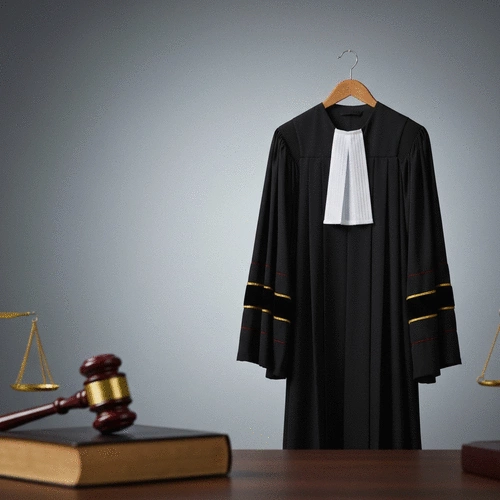
When it comes to the courtroom, the visual impact of a judge in their robe cannot be overstated. These garments symbolize authority and tradition, evoking respect and seriousness in judicial proceedings. But what lies behind the fabric of these robes? Let's unravel the significance of judicial attire and what you can learn from it.
What You Will Learn
- Judge robes serve as a powerful symbol of the judicial system, representing authority and impartiality.
- The evolution of judge robes reflects changes in societal values towards law and justice.
- Different robe colors have specific meanings, indicating the judge's role and the type of court they preside over.
- Robes enhance courtroom decorum, encouraging respect and establishing the seriousness of legal proceedings.
- Choosing the right judge robe involves considering style, material, fit, and personal preference for comfort and professionalism.
Key Aspects of Judge Robes: Symbolism and Colors
This visual explores the multifaceted significance of judge robes, detailing their symbolic roles and the meanings behind different colors typically worn in judicial settings.
Purpose & Significance
✓ Tradition & Authority
✓ Impartiality & Fairness
✓ Enhances Respect
Robe Colors & Meaning
Black: Equality, Neutrality
Burgundy: Authority, Prestige
Green: Growth, Renewal
White: Purity, Justice (Ceremonial)
Buying Considerations
Styles: Advocate, Chancery, Traditional
Materials: Breathable, Durable Fabrics
Fit: Proper Measurements for Polish
Customization: Tailored Experience
Understanding Judge Robes: Purpose and Significance
When we think about courtrooms, one of the most striking images is that of a judge in their robe. These garments are more than just clothing; they carry with them a deep sense of tradition and authority. But what exactly are judge robes, and why do they hold such significance in legal proceedings? Let's dive into the world of judicial attire!
Historically, judge robes have evolved from the simple garments worn in medieval times to the more formal styles we see today. Initially, these robes were designed for practicality, providing warmth and modesty. As time passed, they became symbols of the judicial office, representing the dignity and impartiality that is crucial in legal settings.
What Are Judge Robes and Their Historical Context?
Judge robes are typically long, flowing garments worn by judges while presiding over court cases. They come in various styles and colors, each with its purpose and historical background. The use of robes can be traced back to the Roman era, where legal officials donned specific attire to signify their roles.
- Tradition: Robes symbolize the seriousness of the law and the judicial system.
- Authority: Wearing a robe helps to establish the judge's role as a neutral party in legal matters.
- Uniformity: Robes provide a consistent look for judges, reinforcing the idea of impartiality and fairness in the courtroom.
In contemporary settings, judge robes remain a powerful symbol of the legal profession. They remind us of the commitment to uphold justice and the rule of law.

The Role of Judicial Attire in Court Proceedings
Judicial attire, particularly robes, plays a critical role in maintaining decorum in the courtroom. When a judge enters wearing their robe, it signals to everyone in the room that the proceedings are serious and must be treated with respect. The sight of a judge in their robe can evoke a sense of awe and authority, reminding all parties of the gravity of the situation.
- Enhancing Respect: Robes help establish a formal atmosphere, encouraging respect for the court.
- Clear Identification: They make it easy to identify the presiding judge, which is essential for courtroom order.
- Encouraging Fairness: Wearing a robe signifies that the judge is an impartial arbiter of the law.
Beyond formality, judicial attire also embodies the principles of justice and integrity. Each time a judge puts on their robe, they embrace the responsibility that comes with their position.
Judicial Symbols: What Do Different Robe Colors Represent?
The color of a judge's robe can carry significant meanings within the judicial system. While black is the most common color, often associated with authority and formality, different colors can signify various roles and types of courts. Understanding these colors can provide insight into the judicial process.
- Black: The traditional color for judges, symbolizing equality and neutrality.
- Burgundy: Often worn by higher court judges, this color represents authority and prestige.
- Green: Used occasionally by judges in specific jurisdictions, it can symbolize growth and renewal in the justice system.
- White: In some cases, judges may wear white robes for ceremonial occasions, representing purity and justice.
As you can see, the color of a judge's robe is not just a fashion choice; it communicates essential information about their role and the type of court they preside over. It's these details that enrich our understanding of the legal profession and the traditions that continue to shape it.
Interactive Poll: Your Thoughts on Judge Robes
What do you think is the most important aspect of a judge's robe? Share your opinion below:
Frequently Asked Questions About Judge Robes
Q: What is the primary significance of a judge's robe?
A: Judge robes primarily symbolize authority, tradition, impartiality, and fairness within the judicial system. They enhance courtroom decorum and establish the seriousness of legal proceedings.
Q: How has the design of judge robes evolved over time?
A: Historically, judge robes evolved from practical garments in medieval times to formal attire. Initially, they provided warmth and modesty; over time, they became symbols of the judicial office, representing dignity and impartiality.
Q: Do different colors of judge robes have specific meanings?
A: Yes, different colors can signify various roles and types of courts. Black traditionally symbolizes equality and neutrality, burgundy represents authority and prestige (often for higher court judges), green can symbolize growth and renewal, and white is sometimes used for ceremonial occasions, representing purity and justice.
Q: Why is judicial attire important in court proceedings?
A: Judicial attire, especially robes, is crucial for maintaining courtroom decorum. It signals the seriousness of proceedings, enhances respect for the court, provides clear identification of the presiding judge, and reinforces the judge's role as an impartial arbiter of the law.
Q: What should be considered when choosing a judge's robe?
A: Key considerations include the style (e.g., Advocate, Chancery, Traditional), material (breathable, durable fabrics), proper fit based on measurements for a polished look, and customization options for a tailored experience that aligns with personal preference and professional appearance.
Summary of Key Points About Judge Robes
As we conclude our exploration of judge robes, it's important to recap some key points we've discussed. From understanding the diverse styles available to the specific materials used in their construction, we’ve covered a lot of ground! Choosing the right robe involves weighing style and practicality, ensuring you select an option that not only looks professional but also feels comfortable during court proceedings.
Remember, the significance of judge robes goes beyond mere aesthetics—they embody authority and tradition in the courtroom. Keeping in mind the various factors such as size, fit, and customization options will help you make an informed decision that aligns with your judicial role.
Recap of Buying Considerations and Style Variations
- Styles: Advocate, Chancery, and Traditional options cater to different judicial roles.
- Materials: Selecting breathable fabrics enhances comfort and durability.
- Fit: Proper measurements are essential for a polished look in court.
- Customization: Consider bespoke options for a tailored experience that reflects your personality.
These considerations serve as a guide to ensure you select a judge robe that meets both your practical needs and personal style. It's essential to reflect on what works best for you and your court environment!
Final Thoughts on Choosing the Right Judge Robe for Your Needs
In conclusion, choosing the right judge robe is a blend of personal preference and practical necessity. It's not just about looking the part; it’s about feeling confident and comfortable while fulfilling your judicial duties. As you narrow down your options, consider seeking guidance from trusted suppliers who can offer expert advice and high-quality products.

At Achieve Success, we understand the importance of making informed choices, and we’re here to support you every step of the way. The right judge robe can empower you to command respect and authority in the courtroom—so take your time, and choose wisely!
Your Next Steps in Procuring a Judge Robe
Visit Our Recommended Suppliers for Quality Options
Ready to find your perfect judge robe? Start by checking out our recommended suppliers who specialize in high-quality judicial attire. Many offer a wide range of styles and materials to suit your preferences and needs. Remember to look for vendors with positive reviews and a solid reputation in the legal apparel industry.
Utilize Our Measurement Guidelines for Perfect Fit
Before placing your order, ensure you have the correct measurements! Refer to our comprehensive measurement guidelines to achieve the perfect fit for your judge robe. Proper sizing will not only enhance your appearance but also ensure your comfort during long hours in court. Trust me; you’ll be glad you took this step!
Recap of Key Points
Here is a quick recap of the important points discussed in the article:
- Tradition: Judge robes symbolize the seriousness and authority of the law.
- Role of Judicial Attire: Robes enhance courtroom respect, provide clear identification, and encourage impartiality.
- Color Significance: Different robe colors signify various judicial roles and convey authority and neutrality.
- Buying Considerations: Select styles, materials, and fits that align with personal comfort and professional appearance.
- Customization: Consider bespoke options to reflect personal style while maintaining professionalism.